Table of Contents
ToggleIntroduction to NLPadel
NLPadel refers to the growing padel ecosystem in the Netherlands, a sporting movement that has transformed how people play racket sports across the country. Over the past few years, padel has shifted from being a niche activity to one of the fastest-growing sports in Europe, and the Netherlands has become one of its strongest hubs.
NLPadel is not a single organisation but a broad term that represents everything connected to padel in the country, including clubs, coaching systems, tournaments, recreational play, and competitive leagues. Its rapid expansion is driven by accessibility, social engagement, and the simplicity of the sport, making it attractive for beginners and experienced athletes alike.
Understanding Padel and Its Core Appeal
Padel is a racket sport that combines elements of tennis and squash. It is typically played in doubles on an enclosed court surrounded by glass walls and metallic fencing. These walls are not just boundaries but an active part of gameplay, allowing the ball to rebound and extend rallies.
Why padel is different from tennis
Unlike tennis, padel uses a smaller court and solid rackets without strings. The serve is underhand, which makes it easier for beginners to learn. The scoring system is also identical to tennis, but the pace and tactics are more dynamic due to the confined space and rebound rules.
This makes padel less physically demanding at entry level, while still offering depth for advanced players who develop strategy, positioning, and teamwork skills.
The Growth of NLPadel in the Netherlands
Over the last decade, padel has experienced explosive growth in the Netherlands. What started with a handful of courts has now expanded into hundreds of clubs nationwide. This growth is fuelled by private sports centres, tennis clubs converting unused space, and increasing public interest.
Expansion of facilities
One of the main reasons for NLPadel’s success is the rapid construction of courts. Many tennis clubs have added padel courts to attract new members. Indoor facilities have also played a significant role, allowing year-round play despite the Netherlands’ unpredictable weather.
Increasing participation
Thousands of new players join the sport every year. NLPadel has become especially popular among young adults, professionals, and families looking for a social and active lifestyle. Corporate events and group bookings have also contributed to its popularity.
How NLPadel Works in Practice
NLPadel represents a structured but flexible sporting environment. It includes recreational play, coaching systems, and competitive pathways.
Club system and memberships
Most padel activity takes place in clubs. These clubs offer membership options or pay-per-session access. Players can book courts online, join social matches, or participate in organised leagues.
Coaching and training programmes
Beginners often start with coaching sessions that focus on basic techniques such as grip, positioning, and ball control. As players improve, they move on to tactical training, learning how to use the walls effectively and coordinate with a partner.
Competitive structure
NLPadel includes local tournaments and national ranking systems. Players can compete at different levels depending on skill, making the sport accessible for both amateurs and serious athletes.
Rules and Playing Style of Padel
Understanding the rules is essential to appreciating why NLPadel has grown so quickly.
Basic rules of play
Padel is played in doubles, with two players on each side. The serve must be underhand and must bounce once before being hit. The ball can hit the walls after bouncing on the ground, but cannot directly hit the walls without touching the court first.
Points are scored in the same way as tennis: 15, 30, 40, and game.
Playing style and tactics
Padel is highly tactical. Unlike tennis, power alone is not enough. Players must use positioning, teamwork, and angles to win points. The glass walls allow defensive recovery shots, turning defence into attack.
Communication between partners is essential, as coordination often determines match outcomes.
Why NLPadel Is Growing So Fast
Several factors explain the rapid rise of NLPadel in the Netherlands.
Easy to learn for beginners
One of the strongest advantages of padel is its simplicity. New players can enjoy rallies within their first session, unlike tennis, which requires more technical skill to start.
Social and inclusive nature
Padel is naturally social because it is played in doubles. This encourages interaction, teamwork, and community building. Many players treat it as a lifestyle activity rather than just a sport.
Suitable for all ages
NLPadel attracts a wide age range. Children, adults, and older players can all participate due to its low-impact nature. This inclusivity has contributed to its widespread appeal.
Indoor and outdoor flexibility
The Netherlands’ weather can be unpredictable, but padel’s indoor facilities ensure year-round play. This consistency helps maintain player engagement throughout the year.
Equipment Used in NLPadel
The sport requires minimal equipment, which also contributes to its popularity.
Padel racket
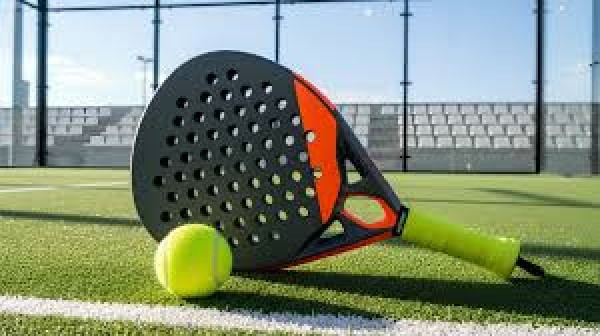
The racket is solid with holes instead of strings. It is lighter than a tennis racket and designed for control rather than power.
Padel balls
Padel balls look similar to tennis balls but have slightly less pressure, making them slower and easier to control within the enclosed court.
Footwear
Proper court shoes are essential. They provide grip and stability, especially during fast directional changes.
Major Benefits of Playing NLPadel
Padel offers several physical, mental, and social benefits.
Physical fitness
The sport improves cardiovascular health, agility, and coordination. Although less intense than tennis, it still provides an effective full-body workout.
Mental wellbeing
Playing padel helps reduce stress and improve focus. The fast-paced rallies require concentration, while the social nature of the game enhances emotional wellbeing.
Teamwork and communication
Since padel is always played in pairs, it strengthens communication skills and teamwork abilities. This makes it popular for corporate team-building activities.
Challenges Facing NLPadel
Despite its rapid growth, NLPadel also faces some challenges.
Limited court availability
Demand for courts is increasing faster than supply in some regions. This can lead to booking difficulties during peak hours.
Rising costs
As popularity grows, membership fees and court rental prices are gradually increasing. This may affect accessibility for some players.
Need for structured development
Although the sport is expanding quickly, structured coaching systems and professional pathways are still developing compared to more established sports like tennis.
The Future of NLPadel
The future of NLPadel looks highly promising. With continued investment in infrastructure and growing public interest, the Netherlands is expected to become one of Europe’s leading padel nations.
Expansion of professional leagues
More structured leagues and tournaments are likely to emerge, offering clearer pathways for professional players.
Technological integration
Booking systems, performance tracking, and digital coaching tools are expected to improve the overall experience for players.
Youth development programmes
Schools and sports academies are increasingly introducing padel to younger generations, ensuring long-term growth of the sport.
Conclusion
NLPadel represents far more than just a sport; it is a rapidly expanding movement that reflects modern lifestyle trends in the Netherlands. Its accessibility, social nature, and dynamic gameplay have made it one of the most popular recreational activities in the country.
As infrastructure continues to grow and awareness increases, NLPadel is set to play a major role in shaping the future of racket sports in Europe. Whether for fitness, competition, or social enjoyment, padel offers something for everyone, making it a standout success story in modern sport.